
Make Unusable Property Functional Again
Land Clearing in Lexington for overgrown lots, neglected acreage, and undeveloped land that needs vegetation and obstacles removed
Neglected acreage in Central Kentucky accumulates years of brush, saplings, and invasive species that make the property inaccessible and prevent any productive use. Spartan Land Solutions removes unwanted vegetation and obstacles to create usable space for residential improvements, agricultural operations, recreational purposes, or future development. Land clearing addresses overgrown lots where property lines are no longer visible, farm ground that has reverted to brush, and undeveloped parcels that need preparation before construction or sale.
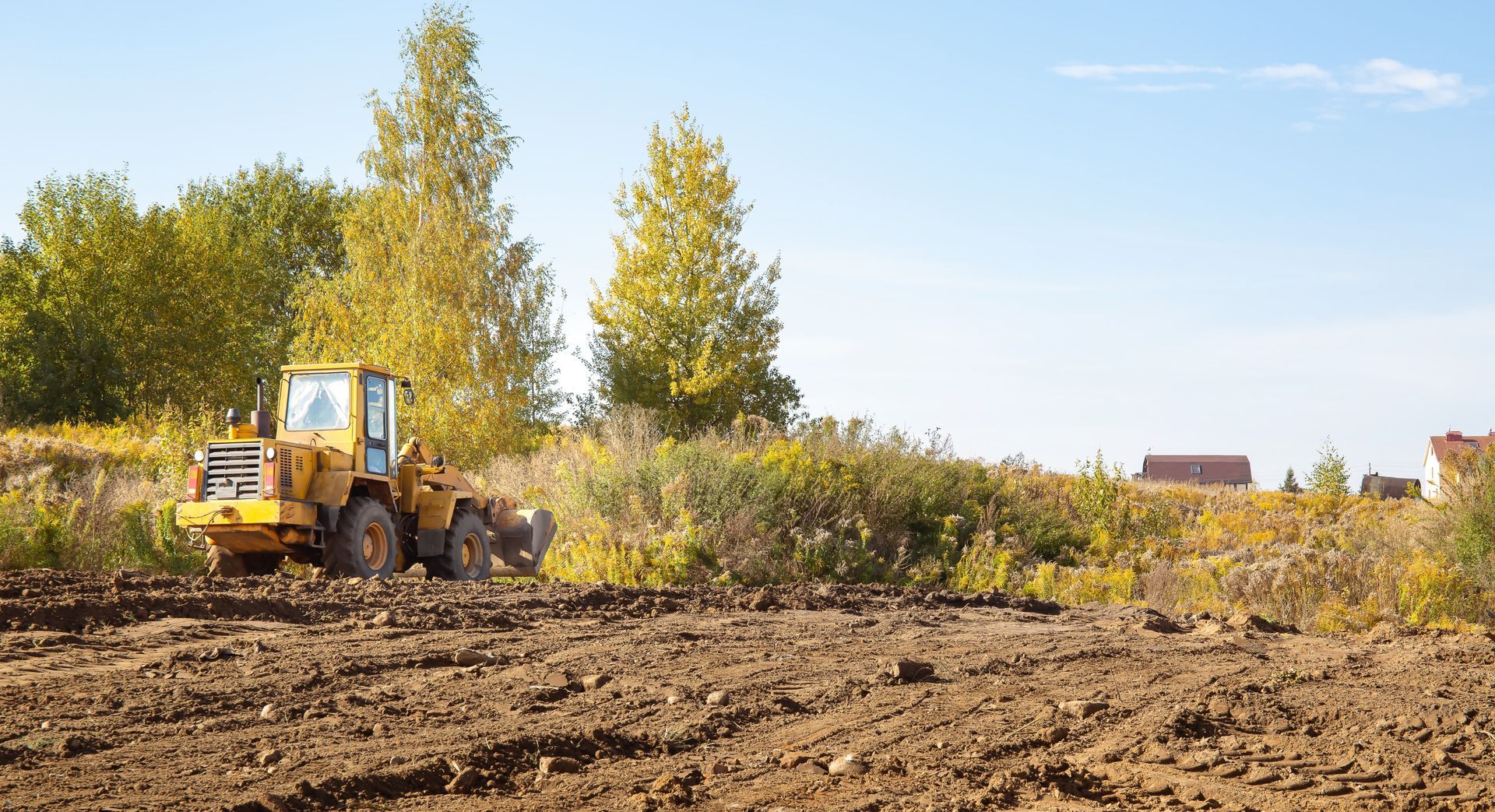
The process begins with evaluating what needs removal and what should remain, then selecting equipment and methods based on vegetation density, terrain, and intended use. Projects may involve forestry mulching for lighter vegetation, mechanical removal for larger trees and stumps, or a combination approach that balances speed with site conditions. Clearing improves access for vehicles and equipment, restores property boundaries, and creates opportunities for pasture establishment, food plots, building sites, or recreational trails.
Schedule a clearing consultation to review site conditions and receive recommendations tailored to your property.
Clearing begins with removing surface vegetation and progresses to larger material depending on project scope, using mulching heads for brush and saplings or excavators and grapples for mature trees that need complete removal including stumps. Operators work systematically across the property to maintain consistent progress and avoid leaving isolated patches that would require additional mobilization. Debris is either mulched in place, piled for burning where permitted, or hauled off-site based on local regulations and your preference.
After clearing, you walk the entire property without obstruction, see defined edges and boundaries, and have clear space for whatever comes next whether that involves planting, building, or simply maintaining open ground. Properties that were previously impassable become accessible to trucks, tractors, and construction equipment, and you can evaluate drainage patterns, soil conditions, and topography that were hidden under years of growth. The cleared ground provides a blank canvas for planning improvements without guessing what lies beneath dense vegetation.
Land clearing removes vegetation and obstacles but does not include final grading, topsoil placement, or drainage installation unless those services are added to the project scope. Some properties need only clearing to become functional, while others require additional site work to address slopes, wet areas, or uneven terrain. The approach depends on whether you plan immediate construction, agricultural use, or staged development over time.
Answers to Frequent Service Questions
Land clearing projects raise questions about process, timing, and what remains after vegetation is removed. Knowing what to expect helps you plan follow-up work and understand how clearing fits into larger property goals.
What types of properties need land clearing?
Residential lots purchased for new home construction, farm acreage that has been neglected and returned to brush, hunting land that needs access lanes or food plot areas, and investment properties being prepared for sale or development all benefit from professional clearing.
How is debris handled during land clearing?
Smaller material is typically mulched in place to protect the soil, while larger logs and stumps are either piled for removal, burned if local regulations allow, or hauled off-site depending on project requirements and property access.
When should clearing happen relative to construction timelines?
Clearing should finish before site grading or foundation work begins, and scheduling it during drier months in Lexington helps prevent equipment from rutting wet ground or compacting soil that will later need loosening for drainage or planting.
What remains on the property after clearing is complete?
Stumps from larger trees may remain unless full removal is specified, the ground surface will show some disturbance from equipment travel, and you may see variations in soil type or compaction depending on how heavily wooded the property was before clearing.
Can land clearing be done in stages?
Properties with limited budgets or phased development plans often clear high-priority sections first, such as building sites or access routes, and address remaining areas as time and funding allow without requiring complete mobilization each time.
Spartan Land Solutions customizes land clearing projects based on vegetation type, property size, and your timeline across Lexington and Central Kentucky. Request an estimate to discuss equipment needs and project sequencing for your specific acreage.