
Overgrown Land Returned to Usable Condition
Brush & Vegetation Removal in Lexington for properties reclaiming visibility and function after years of neglect
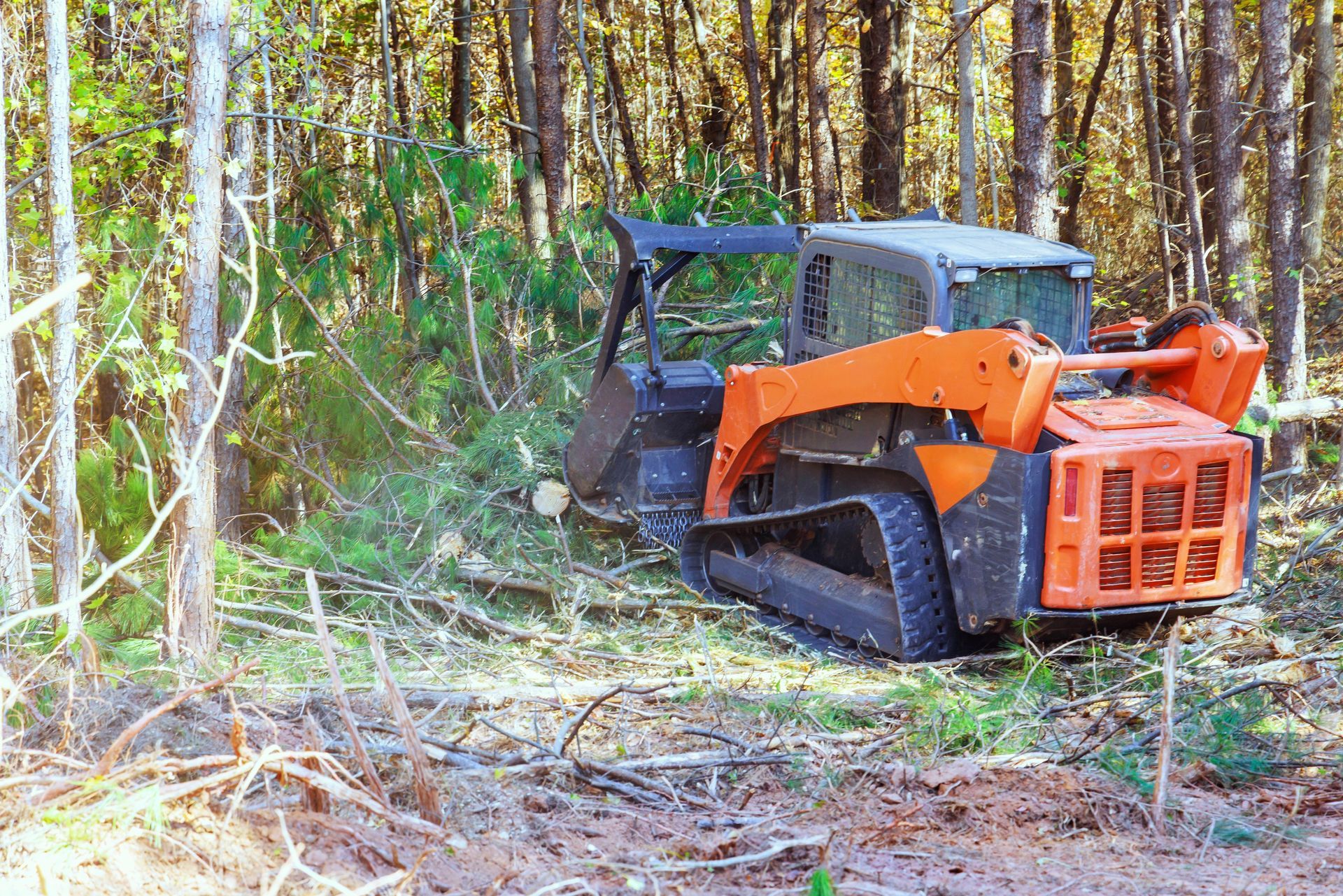
Thick undergrowth and invasive vegetation take over properties that have been unmanaged for multiple growing seasons, concealing structures, preventing access, and creating fire hazards in dense fuel loads. Removing this growth exposes the actual ground surface, reveals property features, and establishes conditions that support your plans for the land whether those involve development, recreation, farming, or improved maintenance across Lexington and Central Kentucky properties. Spartan Land Solutions removes brush and unwanted vegetation by cutting standing growth, extracting root systems that would resprout aggressively, and clearing material from the site to leave clean ground ready for mowing, building, or further improvement work.
Vegetation removal addresses areas where native and invasive species have grown unchecked, creating conditions where walking becomes difficult and equipment cannot access zones that need maintenance or development. Projects range from clearing small residential lots overtaken by multiflora rose and honeysuckle to removing dense thickets from farm acreage and hunting land where visibility and access have been lost over time.
Request a property assessment to evaluate vegetation density and receive a detailed estimate for clearing work tailored to your specific conditions.
Brush removal eliminates growth that prevents you from using property effectively. Multiflora rose and other aggressive species spread rapidly in Central Kentucky's climate and form barriers that resist hand clearing attempts, requiring mechanical removal to cut stems and extract root masses that would otherwise regenerate within weeks. Once removed, the ground becomes accessible for mowing, planting, construction staging, or habitat management depending on your objectives.
After brush removal is complete, you'll see open ground with clear sightlines across previously hidden areas. Property boundaries become visible, allowing you to identify where your land meets neighboring parcels and where features like old fences or drainage ditches are actually located. The surface is clear enough to walk or drive equipment without obstruction, and subsequent maintenance becomes routine mowing rather than repeated battles with woody regrowth.
Vegetation removal often coordinates with other land improvement services including forestry mulching for larger wooded areas, grading to establish drainage or building pads, and access road clearing to connect newly opened zones with entry points. Some properties benefit from phased clearing where priority areas are addressed first and additional zones are cleared as time and budget allow, while others require complete vegetation removal across the entire parcel to support imminent development or agricultural use.
Answers to Frequent Service Questions
Property owners dealing with overgrowth want to understand what removal involves, how the site will look afterward, and what maintenance is needed going forward.
What types of vegetation are removed?
All unwanted brush, saplings, undergrowth, and invasive species within the clearing area are removed, while desirable trees and plantings can be preserved if identified before work begins.
How is vegetation removed without disturbing soil?
Equipment cuts vegetation at or near ground level and mulches or removes material, leaving soil structure intact so that erosion risks and ground disturbance are minimized compared to excavation methods.
When should vegetation removal happen relative to other property improvements?
Clearing is typically the first step before grading, building, or installing infrastructure because it provides access for subsequent work and reveals site conditions that affect later phases.
What happens to the removed brush and vegetation?
Material can be mulched and spread across the site to control erosion and suppress regrowth, chipped for use elsewhere on the property, or hauled off-site depending on volume and your preference.
How do you prevent vegetation from returning after removal?
Initial regrowth is controlled through mowing or herbicide application depending on your management approach, and maintaining cleared areas through regular mowing discourages woody species from re-establishing.
Spartan Land Solutions provides brush and vegetation removal for residential lots, farms, hunting properties, and undeveloped acreage throughout Central Kentucky. Contact us to schedule an assessment and discuss clearing strategies that align with your property plans.